
Why Artisan Apparel Is the Future of Fashion: Craft, Culture, and Conscious Design
- Erin Doyle
- Jan 9
- 5 min read

In an era defined by rapid consumption and digital saturation, apparel and the fashion industry collectively are experiencing a profound identity crisis. The long-reigning model of fast fashion, built on speed, disposability, and uniformity, is beginning to lose its grip.
In its place, a more meaningful and mindful movement is emerging, one that champions not just what we wear, but how, why, and by whom it is made. This is the rise of artisan apparel, a paradigm shift that places craft, culture, and conscious design at the forefront.
As consumers increasingly seek authenticity and purpose in their apparel, it is becoming clear that the future of fashion lies not in mass production, but in the skilled hands of artisans. Brands like Txtile, which collaborates with artisan communities to create unique, handcrafted clothing—such as a quilt jacket from vintage textiles—are illuminating this path forward, proving that style and substance can and should coexist.
The Unraveling of Mass-Produced Apparel
For decades, the dominant narrative in fashion has been one of more: more seasons, more trends, more products. This relentless cycle has come at a tremendous cost. Environmentally, the fashion industry is one of the world’s largest polluters, responsible for staggering levels of water consumption, carbon emissions, and landfill waste. Socially, it has often relied on unclear supply chains where labor is undervalued and exploited. This model has created a disconnect between the wearer and the maker, reducing a garment to a disposable commodity.
However, a global awakening is underway. Consumers are now armed with more information than ever before and are using their purchasing power to demand transparency, accountability, and a move toward sustainable apparel.


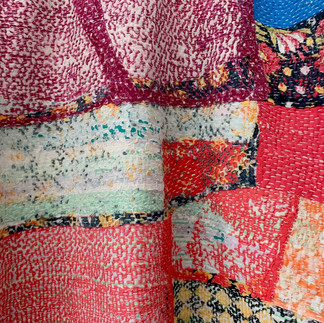


A Return to Craft: Why the Human Touch Matters in Patchwork Apparel
As a direct response to the impersonal nature of mass production, craftsmanship is experiencing a powerful global revival. According to a report by the BSL Association, modern shoppers, particularly Gen Z and millennials, are seeking a deeper emotional connection to their clothing. They view fashion as an extension of their identity and values, and they crave pieces with a story and a soul. This is something a machine simply cannot replicate. Handcrafted sustainable apparel carries the imprint of its maker with every stitch, weave, and dye telling a story of skill, dedication, and creativity. This human touch transforms a piece of clothing from a simple product into a treasured possession.
Key Drivers of the Artisan Apparel Movement | Description |
Authenticity | A rejection of uniform, mass-produced goods in favor of unique, one-of-a-kind pieces that reflect personal style. |
Transparency | The desire to know the story behind a garment, including who made it and how it was made. |
Sustainability | A growing demand for environmentally friendly and ethically produced apparel. |
Cultural Connection | An appreciation for traditional craftsmanship and the cultural heritage embedded in handmade items, like a quilt jacket. |
Apparel as Culture: Weaving Heritage into Sustainable Apparel Wardrobes
Artisan apparel is a powerful vehicle for cultural preservation. Many of the techniques used in handcrafted garments have been passed down through generations, representing a rich and living history. When you wear a piece of artisan-made clothing, you become a patron of a cultural legacy.
A prime example is the tradition of Kantha, a centuries-old Bengali craft of stitching together layers of old saris and cloth to create new textiles. Each Kantha quilt jacket is a tapestry of stories, a literal weaving together of past and present. By choosing to invest in such a piece, consumers play an active role in sustaining these invaluable skills and supporting the communities that keep them alive.
Conscious Design: The Rise of Patchwork Apparel & Sustainable Apparel
At the core of the artisan movement is the principle of conscious design. This philosophy extends beyond just using eco-friendly materials; it encompasses a holistic approach that values resourcefulness, minimizes waste, and prioritizes longevity.
One of the most visible and exciting manifestations of this is the trend of patchwork apparel. Once seen as a humble necessity, patchwork has been embraced by high fashion and sustainable designers alike. As noted by Forbes, the technique is a perfect example of circular design, transforming fabric scraps and offcuts that would otherwise be destined for landfill into stunning, one-of-a-kind creations. A patchwork apparel piece, like a quilted cotton jacket, is a wearable mosaic that celebrates imperfection and resourcefulness, making it a powerful symbol of sustainable apparel.
The Digital Bridge: How Technology Is Empowering Sustainable Apparel
While the artisan movement is rooted in tradition, it is being powerfully amplified by modern technology. Digital platforms have become a crucial bridge, connecting artisans in remote villages to a global marketplace of conscious consumers. Social media platforms like Instagram, user-friendly e-commerce sites, and specialized online marketplaces have democratized the industry, allowing small-scale producers to bypass traditional gatekeepers and tell their own stories. This direct-to-consumer connection fosters transparency, allowing customers to see the creative process, learn about the makers, and understand the cultural context behind their apparel.
This digital empowerment not only creates sustainable economic opportunities for artisan communities but also enriches the patchwork apparel and quilted cotton jacket shopping experience, transforming it from a simple transaction into a meaningful exchange.
The Quilt Jacket: An Emblem of Fashion's Future
Perhaps no single type of apparel better embodies the future of artisan apparel than the quilt jacket. It sits at the perfect intersection of craft, culture, and conscious design. Its construction is a showcase of skill, whether through intricate hand-stitching or the artful composition of a patchwork design. The heritage of a quilt jacket is often rich with cultural significance, as seen in the use of traditional textiles like Kantha. And its very nature is rooted in sustainability, promoting the use of repurposed materials and a design built for warmth, comfort, and longevity.
The quilt jacket embodies so much more than a trend. It’s a case study in what modern apparel can and should be. Patchwork apparel and the quilt jacket are pieces that tell a story, spark a conversation, and connect the wearer to a global community of makers.
The growing popularity of the quilted cotton jacket is a testament to its versatility and timeless appeal. It is a garment that can be dressed up or down, worn in any season, and cherished for a lifetime.


Crafting a Better Future for Fashion With Artisan Apparel
The future of fashion is not about reinventing the wheel, but about remembering the value of the hands that have been turning it for centuries. The shift toward artisan apparel is a return to what makes clothing so powerful: its ability to express identity, preserve culture, and connect us to one another.
As we continue to navigate fashion and sustainable apparel in the 21st century, the principles of craft, culture, and conscious design offer a clear and inspiring path forward. By choosing to support artisans and invest in thoughtfully made artisan apparel like a handcrafted patchwork quilt jacket, we are helping to craft a more equitable, sustainable, and soulful fashion industry for everyone.
Ready to wear the future of fashion? Explore Txtile’s collection of one-of-a-kind artisan apparel and discover a piece that tells a story as unique as your own.


This philosophy is exactly what brands like Rooh London embody. By focusing on thoughtfully made pieces such as their cotton robe, Rooh London highlights how artisan values can live in modern wardrobes. Using breathable, natural cotton and prioritizing quality over excess, their designs show that comfort and elegance don’t have to come at the expense of sustainability or ethics.
As consumers increasingly seek meaning behind what they wear, artisan-led brands like Rooh London demonstrate why the future of fashion lies in craft, culture, and conscious choices pieces that feel good, last longer, and tell a story worth wearing.